
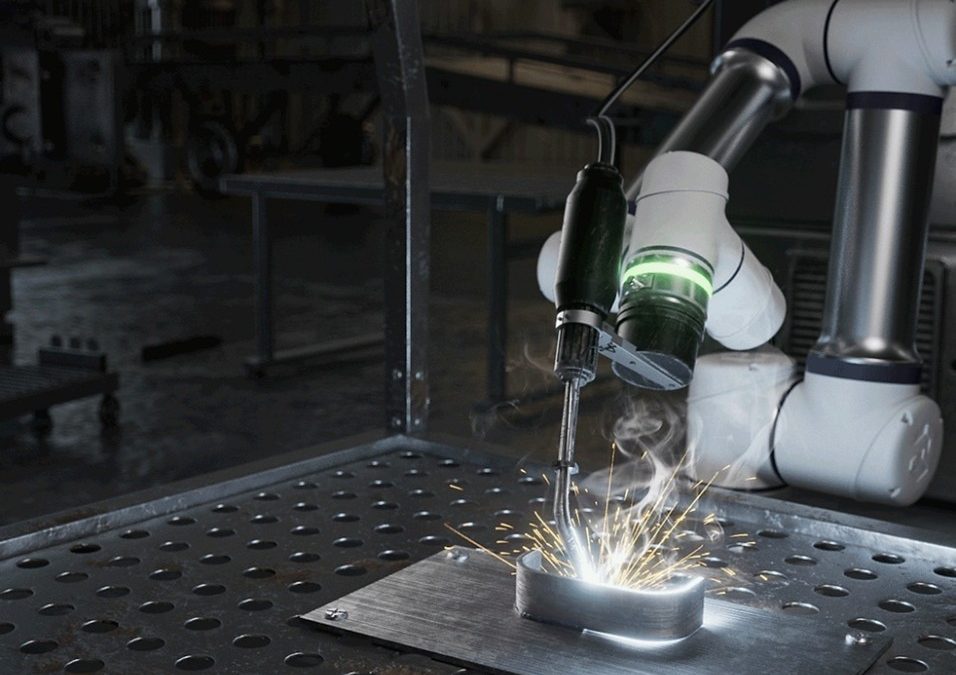
Running a small or medium-sized manufacturing business is no easy task. Many SMEs face constant pressure to deliver high-quality products while keeping costs under control. Limited manpower is a common challenge—teams are often small, which means even a minor delay or staff shortage can create bottlenecks. On top of that, employees spend hours on repetitive, mundane tasks. This not only affects productivity but also increases the risk of mistakes and quality issues.
While automation might seem like an obvious solution, traditional industrial robots are often expensive, require specialized programming, and need a lot of space with dedicated safety fencing. These robots typically operate at high speed and force, which means strict safety barriers are required to protect workers. For many smaller operations, this makes automation feel complex, space-consuming, and difficult to implement. As a result, growth can slow, scaling becomes difficult, and overall efficiency suffers.
How Cobots Solve These Challenges
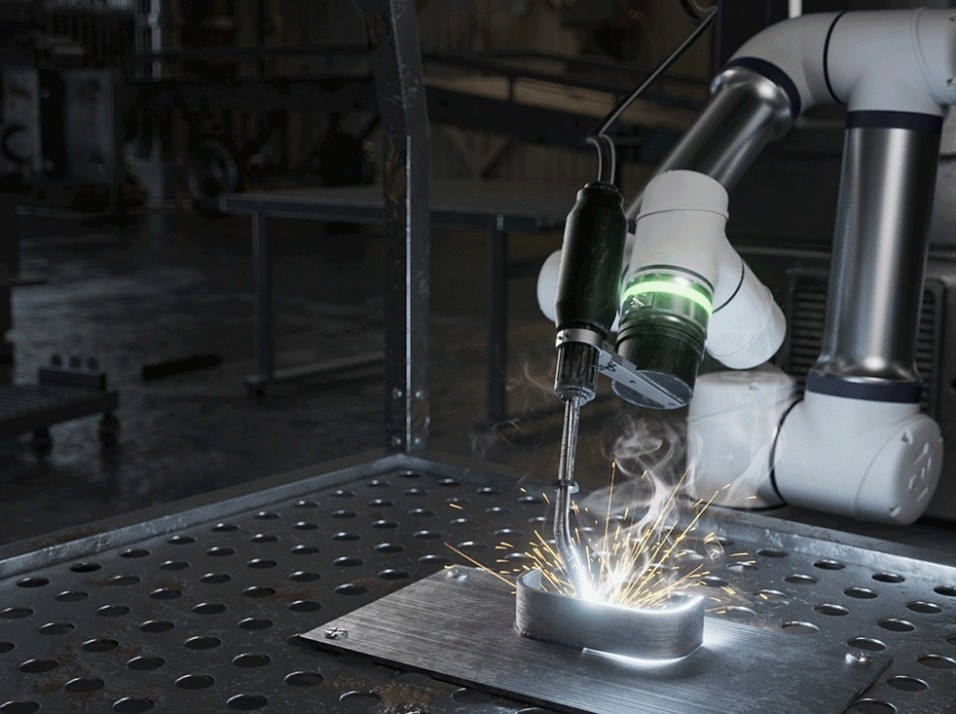
Collaborative robots, or cobots, are helping SMEs rethink automation – especially when it comes to safety and flexibility. Unlike traditional industrial robots that operate inside fenced-off areas, cobots are specifically designed to work safely alongside human workers. They are equipped with built-in safety features such as force and torque sensors that continuously monitor movement and resistance.
If a cobot detects unexpected contact or collision, it can automatically slow down or stop immediately. This responsive safety mechanism significantly reduces the risk of injury and allows closer human-robot collaboration in many applications.
Because of these built-in safety features, cobots often require minimal or no complex guarding (depending on risk assessment and application), making them far more suitable for SMEs with limited floor space. In addition to safety, cobots are easy to program and often feature intuitive interfaces, meaning you don’t need a robotics specialist to get started. They are also highly flexible, capable of performing tasks such as assembly, packaging, inspection, pick-and-place, and machine tending. With lower upfront costs and minimal infrastructure requirements, cobots allow SMEs to introduce automation gradually and safely without overwhelming their operations or budget
Getting Started with Cobots in Your SME
Starting with cobots doesn’t have to be complicated. A good first step is to identify tasks that are repetitive, high-effort, or prone to human error—these are the areas where a Starting with cobots doesn’t have to be complicated. A good first step is to identify tasks that are repetitive, physically demanding, or prone to human error—these are the areas where a cobot can provide the most immediate benefit. Once you have a clear idea of which processes to automate, it’s important to select a cobot that fits your specific needs, considering factors like payload, reach, cycle time, and application type.
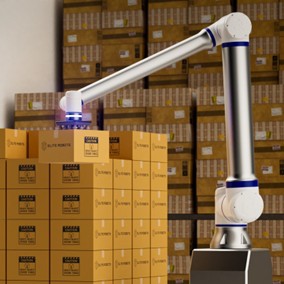
Beginning with a small pilot project is often the most effective way to test the cobot in a real production environment, measure improvements, and identify any integration challenges without disrupting the entire operation. Training your team is also crucial. Even though cobots are designed with advanced safety features such as collision detection and automatic stop functions, proper risk assessment and operator awareness ensure smooth and confident collaboration. Over time, as your team gains confidence, you can expand cobot applications to other areas, allowing staff to focus on more complex or value-added tasks.
Learning and Exploring Cobots
Understanding how cobots can fit into your operations is easier when you have access to guidance and hands-on exposure. Many SMEs find it valuable to observe a cobot in action through a live demonstration or on-site discussion. Seeing how safety features respond in real time – such as how the robot stops upon contact – helps build confidence in the technology.
Taking the first step to understand cobots doesn’t commit you to anything—it simply opens the door to discovering how automation can make everyday operations more efficient, flexible, and safer for your team. If you’re interested in learning more about collaborative robots and how they can help optimise processes in an SME environment, contact us today: https://bit.ly/4aGfqE7